
Comparing testosterone shots vs pellets and how to choose the right TRT method for you
Once you’ve decided to begin testosterone replacement therapy (TRT), the next big question is how you’ll take it. There are several delivery methods available, but two of the most common are testosterone injections and pellet implants. Each has its own pros, cons, and ideal use cases, so the best choice often comes down to your lifestyle, comfort level, and personal goals.
How Testosterone Shots Work
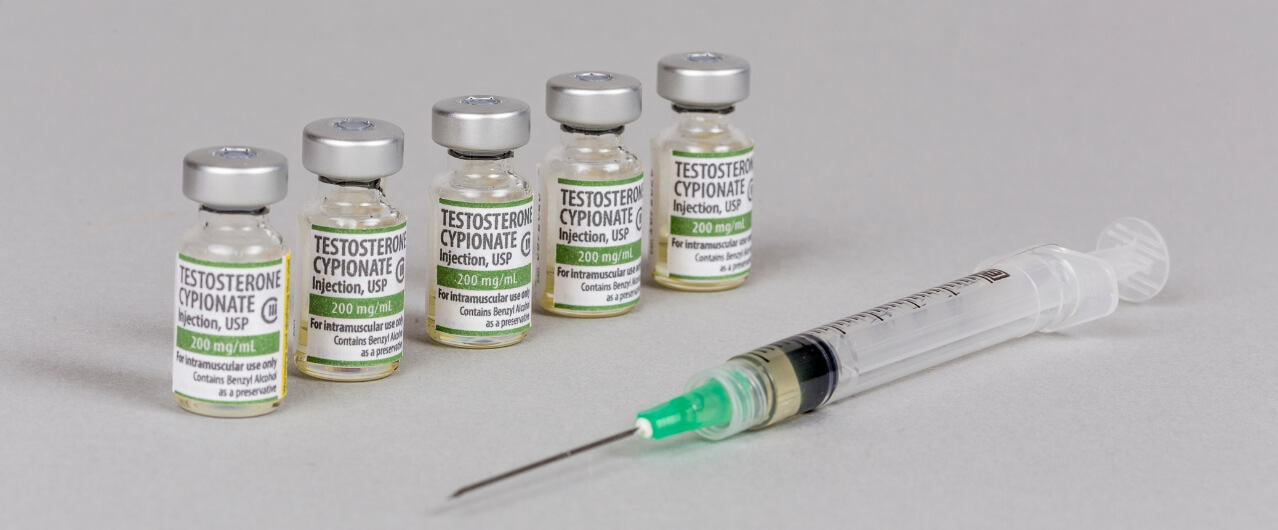
Testosterone injections are one of the most widely used and effective methods for restoring hormone balance. The medication is typically administered intramuscularly (into the muscle) or subcutaneously (under the skin) on a regular schedule, often weekly or biweekly.
Advantages of testosterone shots:
- Flexible dosing: Your provider can easily adjust dosage based on your lab results and symptoms.
- Quick onset: Injections tend to produce noticeable improvements in energy, mood, and strength within weeks.
- Cost-effective: Shots are typically more affordable than other TRT delivery methods.
Potential drawbacks:
- Requires consistency. Missing doses can lead to fluctuating hormone levels.
- Some men dislike the idea of self-injecting or prefer less frequent dosing options. However, at Great Lakes Testosterone, we use small, fine-gauge needles that most patients barely feel, making injections quick, comfortable, and surprisingly easy to manage at home.
- Hormone peaks and dips can occur between injections if not properly managed.
For many men, testosterone injections strike the right balance between convenience, control, and results, especially when treatment is guided and monitored by a medical professional.
How Testosterone Pellets Work
Pellet therapy involves implanting small, time-released testosterone pellets beneath the skin, usually in the hip or buttock area. These pellets slowly release testosterone over several months, typically lasting 3 to 6 months before needing replacement.
Advantages of testosterone pellets:
- Low maintenance: Once implanted, you don’t have to worry about frequent dosing.
- Steady hormone release: Pellets provide consistent testosterone levels without the weekly ups and downs of injections.
- Discreet and hands-free: No daily pills or syringes, just ongoing results.
Potential drawbacks:
- Requires a minor in-office procedure for insertion and removal.
- Dosing adjustments are less flexible, if your needs change, you must wait until your next insertion.
- Some men experience tenderness or bruising at the implant site.
For those who prefer a “set it and forget it” approach, pellets can be appealing, but they’re not ideal for everyone, especially if you’re new to TRT and still fine-tuning your optimal dose.
Testosterone Shots vs Pellets: Which Is Right for You?
The choice between testosterone shots vs pellets ultimately depends on your goals and how involved you want to be in your care.
- If you prefer precise control and quick adjustments, injections are typically best.
- If you value convenience and steady release, pellets may be worth considering once your hormone levels stabilize.
At Great Lakes Testosterone, we help men weigh these options based on their lab results, lifestyle, and comfort level. We also monitor each patient’s progress to ensure therapy stays both safe and effective, no matter which method they choose.
Your TRT plan should fit your life, not the other way around. We’ll help you find the balance of convenience, consistency, and confidence that gets you feeling your best. Contact our care team today to schedule a consultation and see if TRT is right for you!